

Debra Wesselmann Urges Caution Around Self-Administered EMDR: "You Don’t Have to Heal Alone"
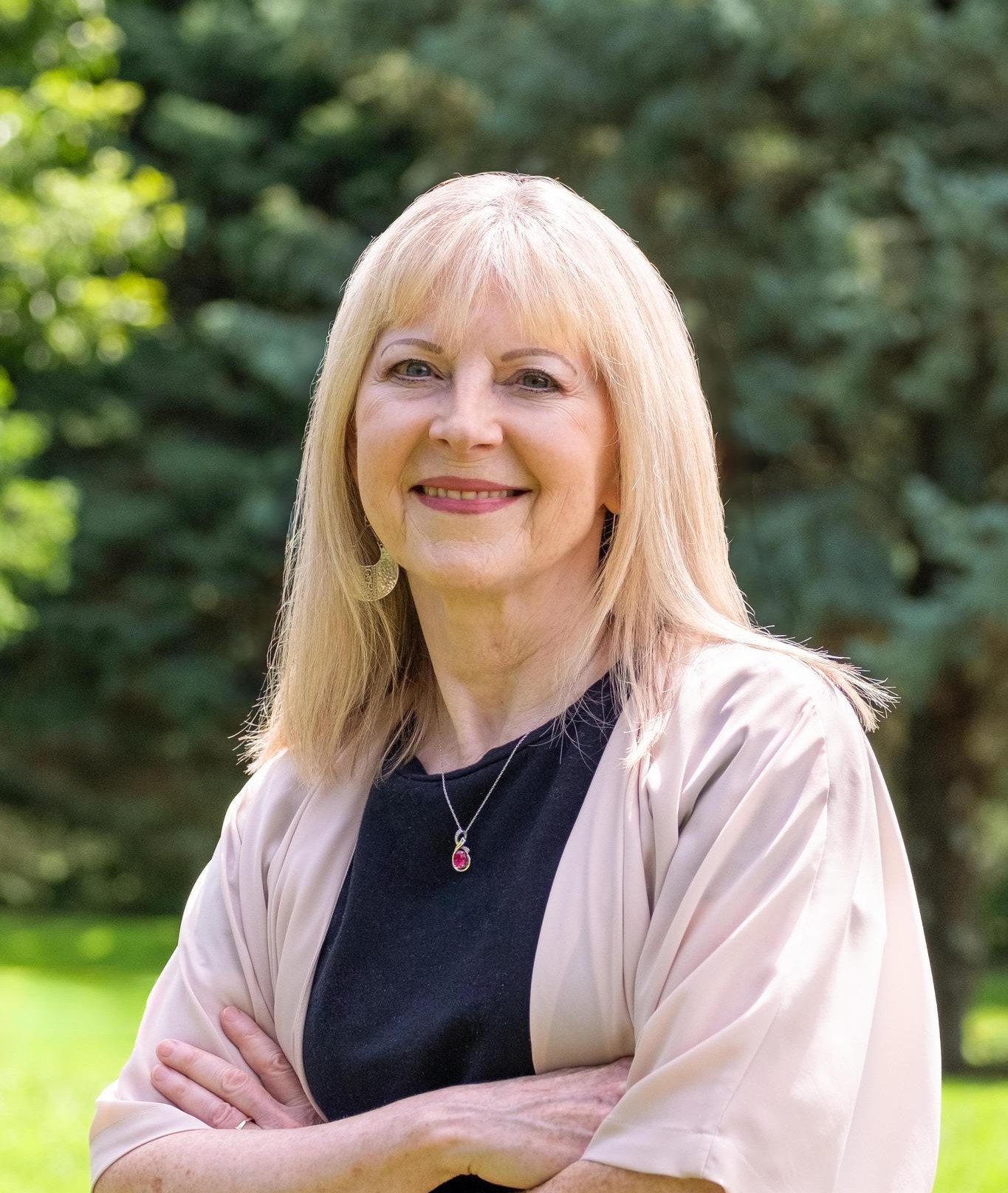
Debra Wesselmann
EMDR Therapist Says Research on Self-Administered Trauma Processing Has Significant Limitations
LOS ANGELES, CA, UNITED STATES, September 15, 2026 /EINPresswire.com/ -- The idea of doing EMDR without a therapist may sound appealing, particularly to people facing the cost, availability, or stigma of mental health treatment. But author and EMDR therapist Debra Wesselmann, whose books include EMDR and Attachment-Focused Trauma Therapy for Adults: Reclaiming Authentic Self and Healthy Attachments, says people should take a closer look at the research before attempting to process traumatic memories alone.
“People should be cautious about assuming they can replicate EMDR therapy on their own,” says Wesselmann. “Processing traumatic memories can bring up emotions and connections that are difficult to anticipate, and having a trained therapist provides support when those experiences emerge.”
Wesselmann is responding to the recent press release “Self Open EMDR: The Honest Pros and Cons of Doing Without a Therapist,” which described research into self-administered EMDR as encouraging. She says that conclusion goes further than the evidence supports.
A 2020 article by Waterman and Cooper examined a 2015 study that reported promising results, but Wesselmann points to significant limitations, including a small sample, high attrition, and no control group. Participants also received instruction and had weekly contact with a clinical psychologist.
“They were not completely on their own,” says Wesselmann. “They received instruction and had ongoing contact with a clinical psychologist, so the study does not show what happens when people attempt to process traumatic memories entirely by themselves.”
Wesselmann points out that the bigger issue is what can happen once difficult memories are activated.
EMDR can bring connections between memories, emotions, beliefs, physical sensations, and experiences to the surface that may not be obvious at the beginning of treatment. What surfaces can be unexpected, making the presence of an experienced clinician particularly important.
“In my years as an EMDR therapist, I have witnessed again and again how remarkable, and sometimes surprising, the process of healing can be,” says Wesselmann. “I often tell my clients, ‘EMDR takes us where we need to go to heal.’ But we don’t always know where that is going to be.”
For Wesselmann, that uncertainty is precisely why a therapist matters. The clinician is not simply teaching a technique. A trained, attuned therapist can help a client stay grounded and supported when difficult material emerges.
Wesselmann also points to Francine Shapiro, Ph.D., the originator of EMDR therapy. In her 2012 book, “Getting Past Your Past,” Shapiro cautioned that processing disturbing memories can trigger powerful emotions and unexpected associations a person may not be prepared to manage alone.
Shapiro describes a limited role for brief, slow self-tapping, particularly with positive imagery to reinforce calm or safety or to manage moderate, momentary distress.
Wesselmann says that distinction matters.
“Self-tapping can have a place in helping someone regulate distress, but that is different from attempting to process traumatic memories without professional guidance,” she says.
Wesselmann encourages people struggling with painful emotions, defenses, or behaviors to consider whether unresolved experiences may be contributing to those patterns and to discuss EMDR with a trained clinician.
Cost, she acknowledges, can make that difficult. Nonprofit mental health organizations and some clinicians offer reduced or sliding-scale fees, potentially making professional support more accessible.
“You don’t have to push through difficult memories by yourself,” says Wesselmann. “You don’t have to understand everything before you begin, and you don’t have to keep living with patterns that feel beyond your control.”
About Debra Wesselmann
Debra Wesselmann, MS, LIMHP, has spent more than three decades developing, researching, and teaching integrative approaches to attachment trauma. She is the creator of the Integrative Attachment Trauma Protocol for Children (IATP-C) and a trainer with the EMDR Institute of Dr. Francine Shapiro. Wesselmann is the author of clinical and parent-focused books published by Springer and W. W. Norton. Her work has been implemented internationally, with supporting research from clinical studies in the United States, the Netherlands, and New Zealand.
For more information about Wesselmann and her work, visit Debra Wesselmann’s website.
Debra Wesselmann is available for interviews.
Amanda Kent
Boundless Media USA
+1 313-403-5636
email us here
Legal Disclaimer:
EIN Presswire provides this news content "as is" without warranty of any kind. We do not accept any responsibility or liability for the accuracy, content, images, videos, licenses, completeness, legality, or reliability of the information contained in this article. If you have any complaints or copyright issues related to this article, kindly contact the author above.
